
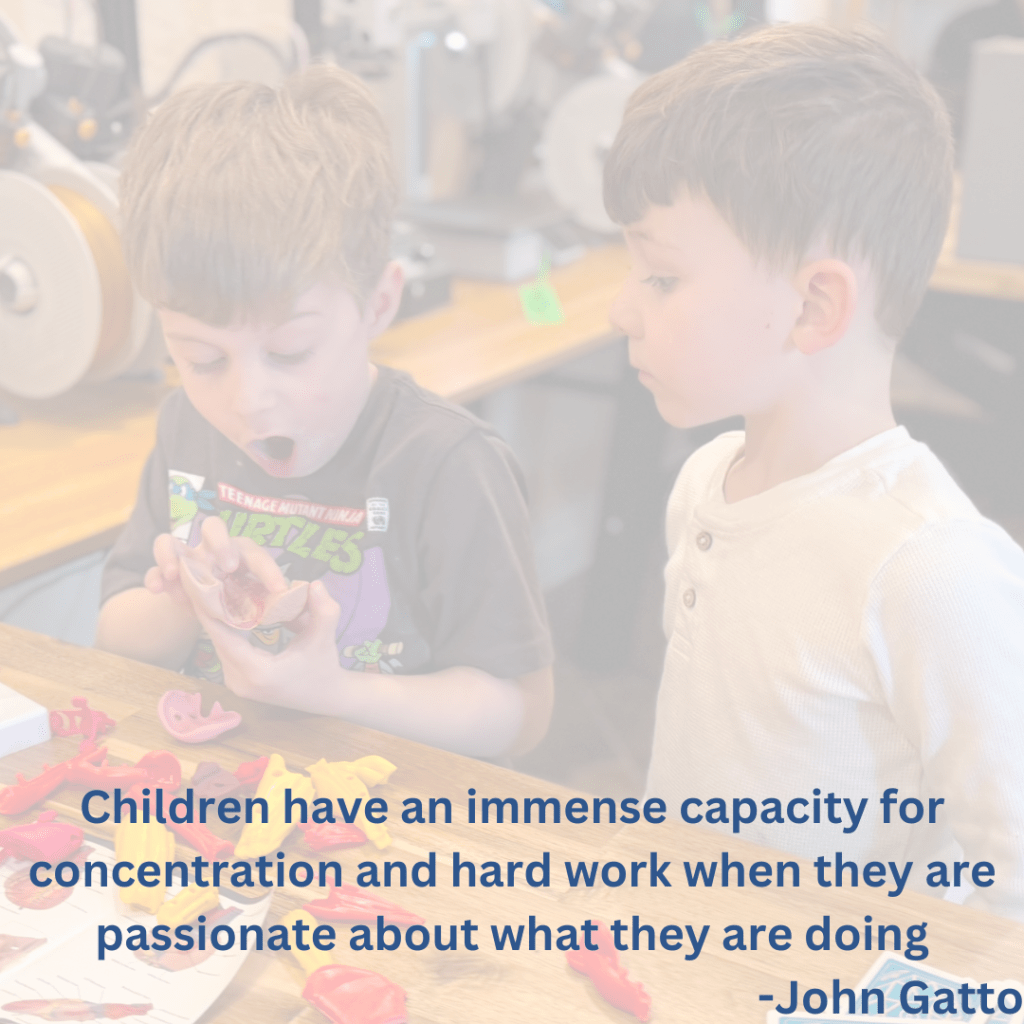
A self-directed learning environment is more than a classroom; it’s a space where curiosity and creativity thrive and real education happens. Our goal is for students to come in and feel inspired to learn anything they want. Large blocks of uninterrupted time allow them to not feel rushed through their work. Here are some ideas for creating an inspiring, learner-driven space.
The Music Room
Music is a universal language that sparks creativity. A dedicated music room can include instruments like guitars, keyboards, drums, and even ukuleles for beginners. Consider adding recording equipment to let learners produce their own music or podcasts. Encourage exploration by offering music theory books, sheet music, online resources, and the freedom to collaborate with peers. The goal is to make the space inviting and open to both structured learning and free experimentation. Some of our favorite apps to learn with are Yousician, Simply Piano, and Justin Guitar.
The Makerspace Lab
A makerspace lab is a must have in any self-directed environment. Equip it with tools like 3D printers, soldering irons, robotics kits, tools, and basic crafting supplies. Make sure materials are well organized to encourage independent use. Encourage projects that align with their passions, whether it’s coding a robot, designing a model, or building a functional piece of furniture.
The Art Space
Creativity knows no bounds in a dedicated art space. Stock it with a variety of materials: paints, canvases, sketchpads, clay, and digital art tools. Provide access to instructional books, online tutorials, and even a gallery of past projects for inspiration. Make the space feel relaxed and judgment-free, allowing learners to express themselves without fear of critique.
The Library
A library is the cornerstone of any self-directed learning space. Fill it with a diverse collection of books—fiction, non-fiction, biographies, and how-to guides. Include cozy seating options like bean bags, floor cushions, or even a hammock to make reading enjoyable. Consider adding a “book club” board where learners can share recommendations or start discussions about their favorite reads. An inviting library can be a gateway to worlds unknown, fueling the imagination and deepening their understanding of the world around them.
The Cozy Space for Academics
Sometimes, learners just need a quiet, comfortable spot to focus on academics or personal projects. Create a cozy corner with desks, sofas, and good lighting. Decorate with calming colors and add personal touches like plants and diffusers. This space should feel like a refuge for deep work and uninterrupted concentration.
Integrating It All
To truly foster self-directed learning, these spaces should flow naturally and be available for the students to use anytime. Use open layouts to allow for cross-pollination of ideas. For example, a student sketching in the art space might be inspired to design a prototype in the makerspace. Encourage ownership by involving learners in the design and upkeep of these spaces.
By creating intentional spaces for hobbies, passion projects, academics, and exploration, we’re not just designing a learning environment; we’re creating a community where learners feel inspired to take responsibility for their education. These prepared environments become the foundation for a lifelong love of learning.
 LEARNER DRIVEN
Leave a comment